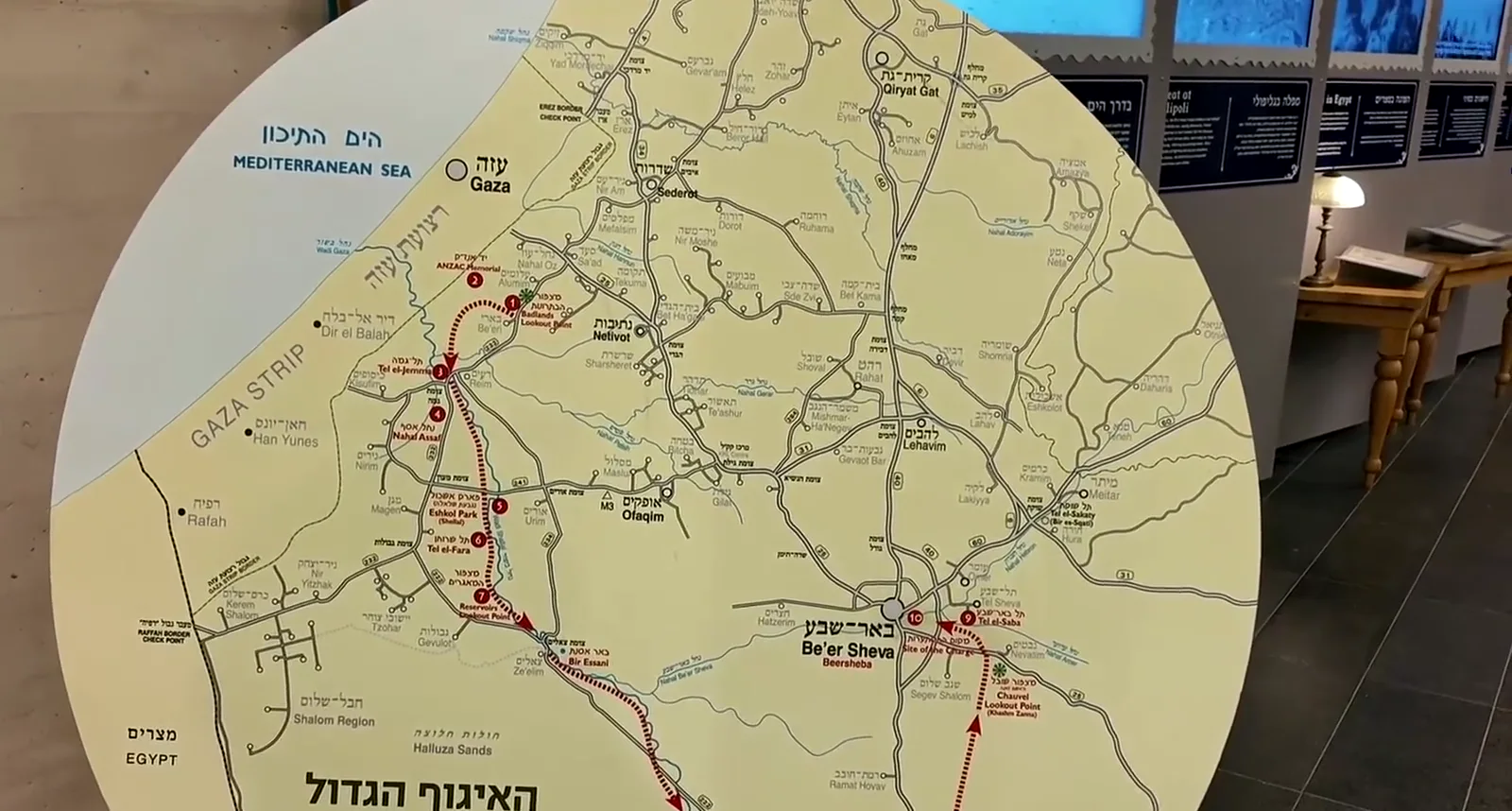

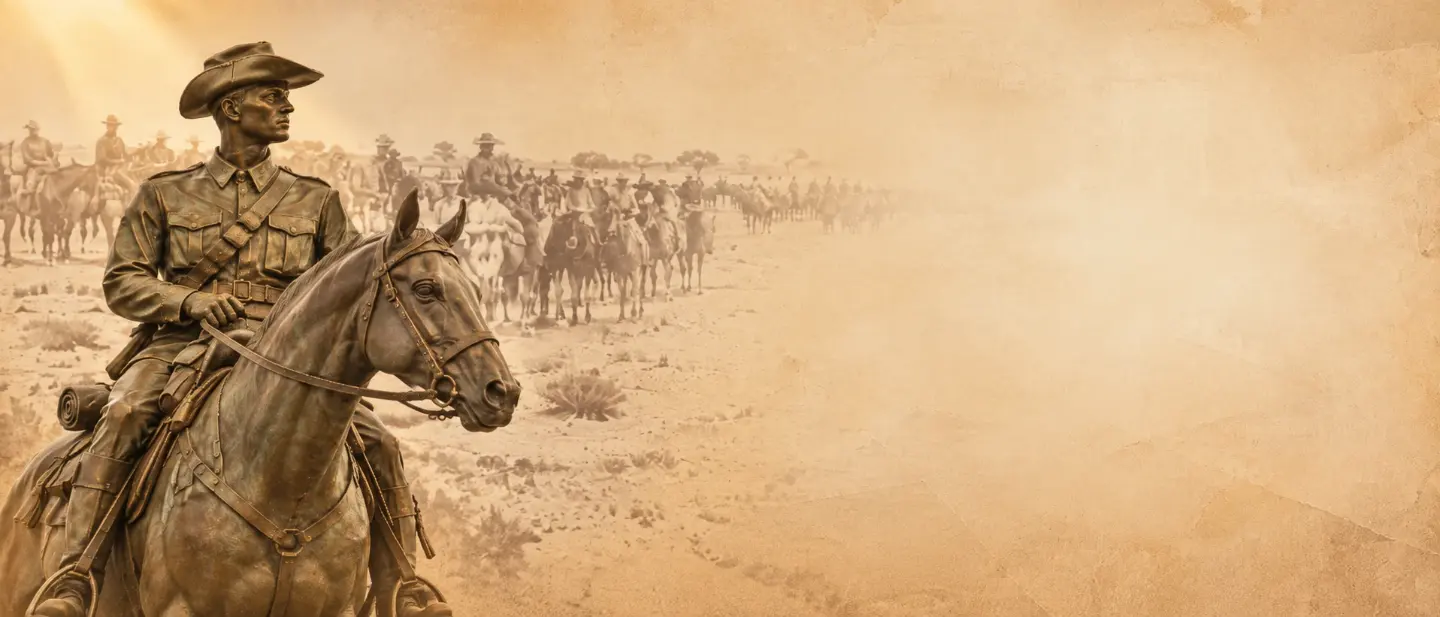
On 31 October 1917, one of the most dramatic battles of the First World War campaign in the Land of Israel took place in Be’er Sheva. The battle formed part of a broader military operation planned following two unsuccessful British attempts to capture Gaza earlier that year. Be’er Sheva stood at the eastern end of an Ottoman defensive line stretching approximately 50 kilometres to Gaza.
Following the failures at Gaza, the British command decided to change its strategy and attempt to break through the defensive line at Be’er Sheva. A large-scale operation of deception and outflanking was therefore planned, designed to convince the Ottoman forces that the main British effort would once again be directed at Gaza, while the principal attack was in fact being prepared for Be’er Sheva. Preparations for the operation continued for several months.
One of the principal challenges of the plan was the shortage of water. The mounted forces were required to undertake a long journey through the desert, making it essential that Be’er Sheva and its wells be captured quickly. If the Ottoman forces succeeded in damaging the wells, or if the city was not taken in time, the attacking troops and their horses risked being left in the heart of the desert without a source of water.
In preparation for the battle, Australian and New Zealand mounted troops undertook an arduous journey of approximately 100 kilometres over three nights. By the morning of 31 October, they were positioned to the east of Be’er Sheva. At the same time, British infantry attacked Ottoman positions to the south and west of the city, while the mounted forces operated from the east.
One of the major obstacles on the approach to the city was Tel Be’er Sheva, a fortified Ottoman position controlling the eastern approaches to Be’er Sheva. The battle for the position continued for many hours, with the Ottoman defenders putting up determined resistance. The position was captured only late in the afternoon, as darkness approached and the time remaining to reach Be’er Sheva and its water sources was rapidly running out.
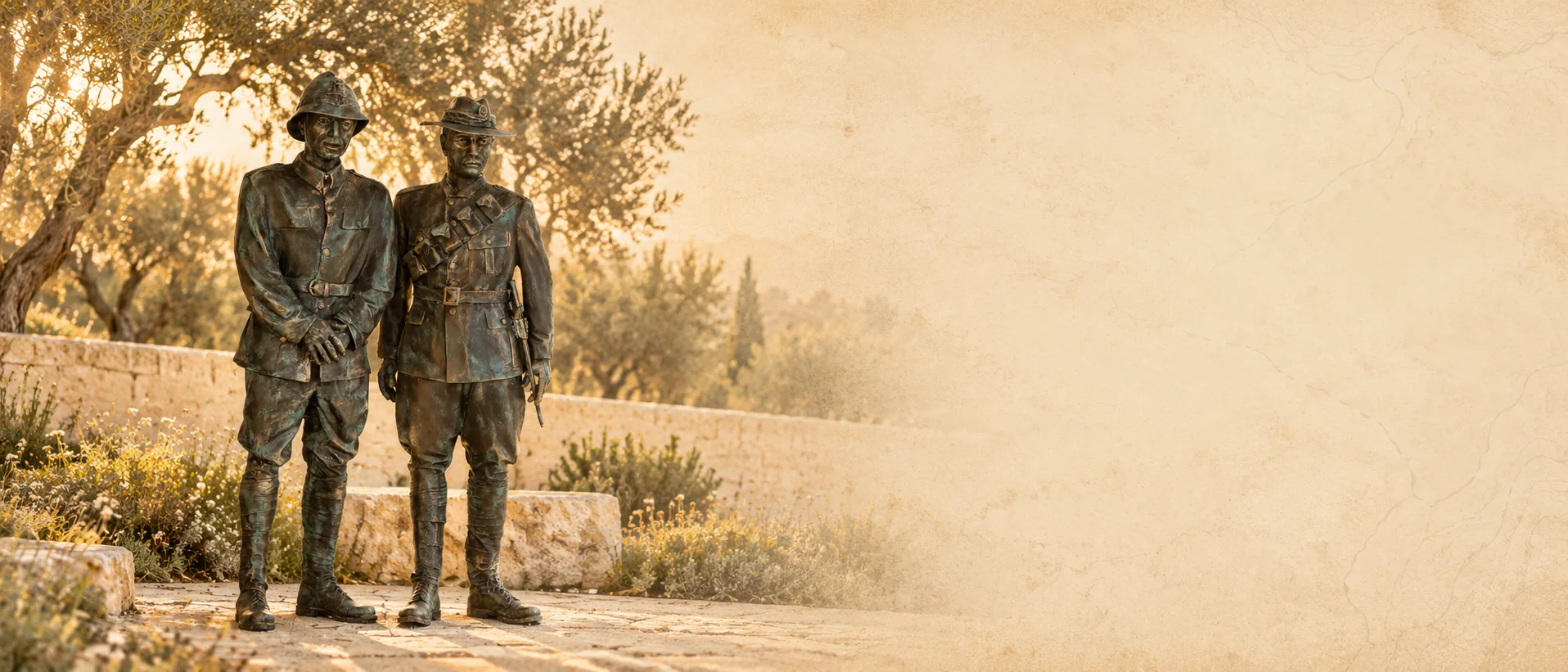
At the decisive moment, General Harry Chauvel, commander of the mounted forces, ordered a charge towards the city. The Australian light horsemen galloped across open ground towards the Ottoman defensive lines. The speed of the assault enabled them to close rapidly on the positions, cross the trench lines and continue into Be’er Sheva.
Some of the horsemen dismounted and fought in the trenches, while others continued their advance into the city in an effort to reach the wells before the Ottoman forces could damage them.
The mounted charge and the capture of Be’er Sheva became among the most enduring events associated with the battle and a defining moment in Australian military heritage. Gaza fell several days later, and the campaign continued northwards.
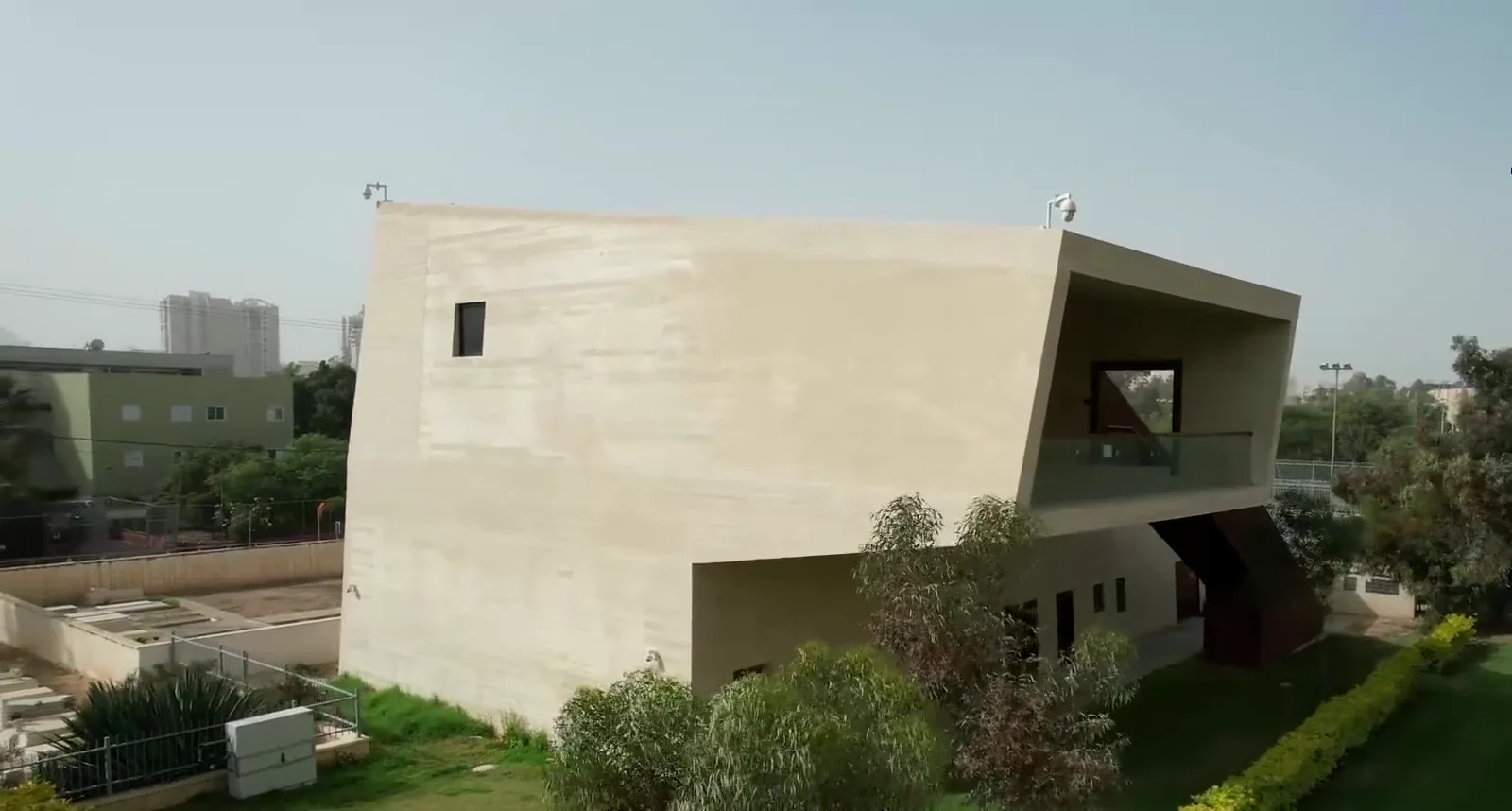
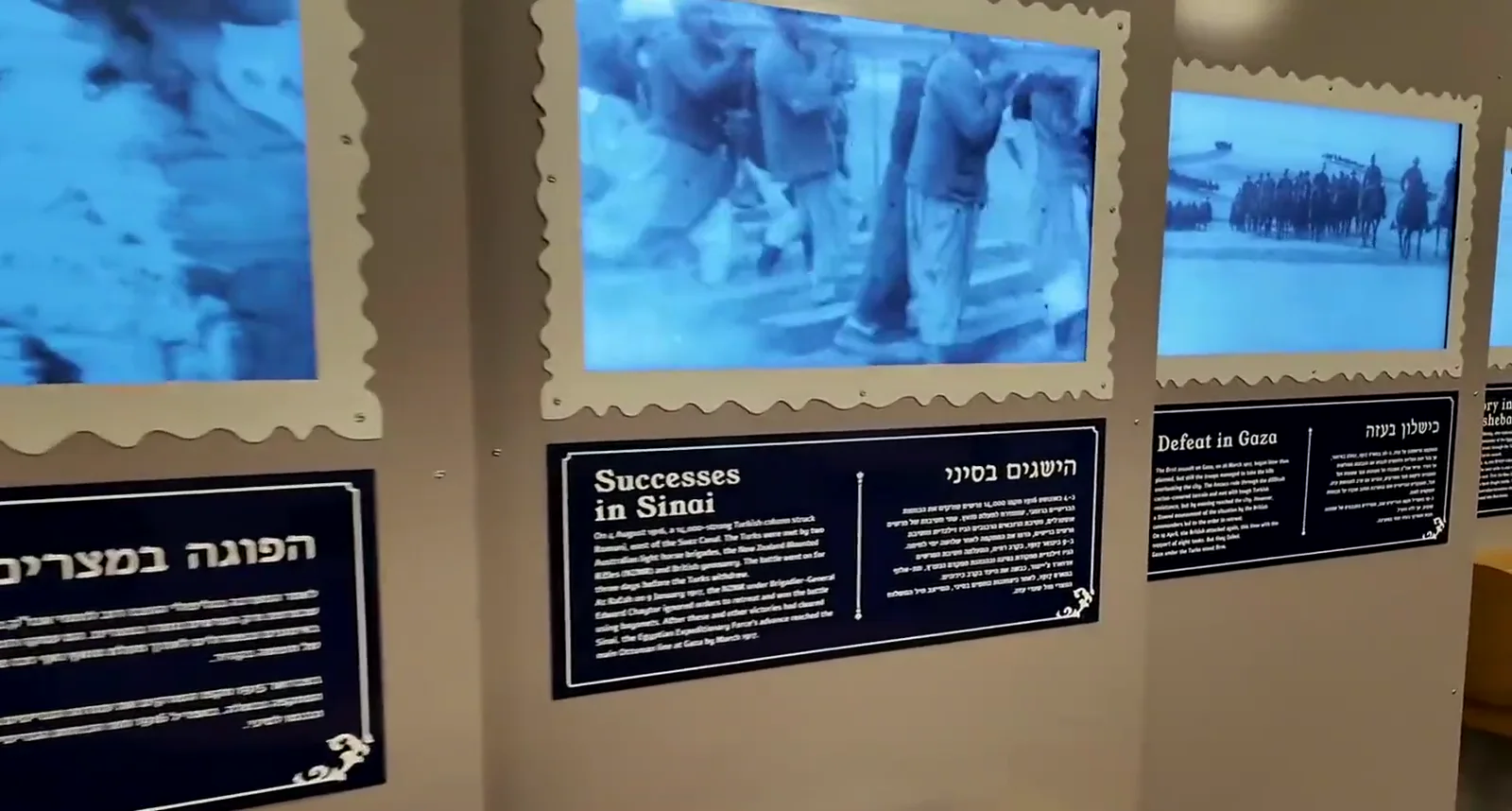
The Battle of Be’er Sheva is remembered today not only for its military importance, but also for the remarkable combination of planning, deception, a demanding desert journey, dependence on water supplies and a mounted charge that helped decide the battle in the final hours of the day. At the Be’er Sheva ANZAC Memorial Centre, the story is presented through the connection between the historical event, the people who took part in it and the place in which it occurred.
Book a visit